
Friends, if you’re searching for guidance on “Bible Verses About Dealing With Conflict Resolution,” this content is for you. Today, I share Bible verses that can really help you better understand conflict resolution according to the Bible. These scriptures offer wisdom on handling disagreements, fostering peace, and maintaining healthy relationships. Whether you’re facing personal disputes or seeking to mediate conflicts, these verses provide valuable insights into God’s perspective on reconciliation and unity. Let’s explore what the Word says about resolving conflicts in a godly manner.
Introductions
Dear friends and fellow believers, I’m here to share with you some precious wisdom about dealing with conflict resolution according to the Bible. As we journey through life, we often encounter disagreements and disputes with others. The good news is that God’s Word provides us with guidance on how to handle these situations with grace and love.
The Bible teaches us that conflicts are a natural part of human relationships, but it also shows us how to resolve them in a godly manner. First and foremost, we must approach conflicts with humility and a willingness to listen. James 1:19 reminds us to be quick to listen, slow to speak, and slow to become angry. This wisdom helps us to understand the other person’s perspective and avoid making things worse.
Jesus emphasized the importance of forgiveness in resolving conflicts. He taught us to forgive others just as God has forgiven us. This act of forgiveness can soften hearts and open doors for making things right. Think about Joseph, who forgave his brothers despite their awful actions against him. His forgiveness led to healing and bringing his family back together.
Another important principle in conflict resolution is to speak the truth in love. Ephesians 4:15 encourages us to be honest but to do so with kindness and compassion. This approach helps to address the problem while still showing respect for the other person.
The Bible also teaches us to seek peace and go after it. This might mean taking the first step to resolve conflicts, even when we feel we’re not at fault. Jesus taught us to go and make peace with our brother or sister before offering our gift at the altar. This shows how important God thinks it is to resolve conflicts and keep our relationships healthy.
Lastly, we must remember to pray for wisdom and guidance when dealing with conflicts. God promises to give us wisdom when we ask for it in faith. By asking for His help, we can handle tough situations with grace and find solutions that honor Him.
Dear friends, if you’ve found this message helpful, I encourage you to share it with others who might be struggling with conflicts in their lives. Together, we can spread God’s love and wisdom in our communities.
Bible Verses About Dealing With Conflict Resolution
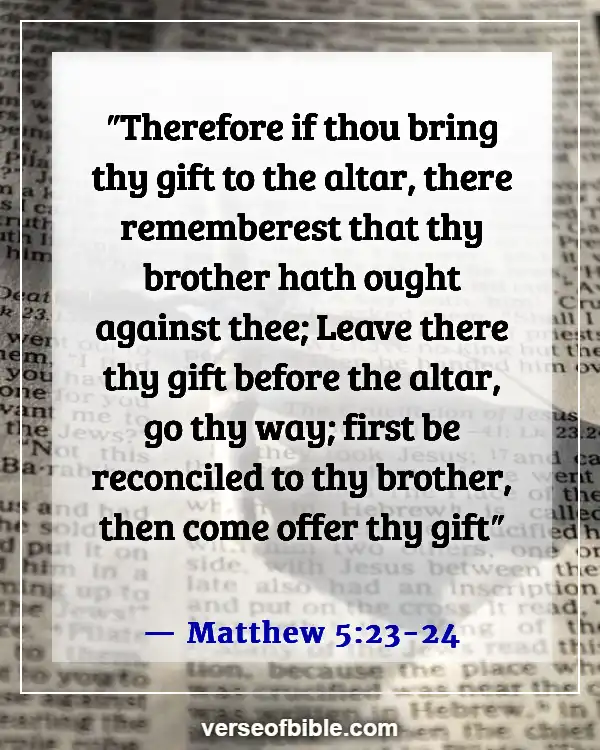
“Therefore if thou bring thy gift to the altar, there rememberest that thy brother hath ought against theeLeave there thy gift before the altar, go thy way; first be reconciled to thy brother, then come offer thy gift”— Matthew 5:23-24

“For if ye forgive men their trespasses, your heavenly Father will also forgive you”— Matthew 6:14

“Be ye angry, sin not: let not the sun go down upon your wrath”— Ephesians 4:26

“Let all bitterness, wrath, anger, clamour, evil speaking, be put away from you, with all maliceAnd be ye kind one to another, tenderhearted, forgiving one another, even as God for Christ’s sake hath forgiven you”— Ephesians 4:31-32

“Hatred stirreth up strifes: but love covereth all sins”— Proverbs 10:12

“Deceit is in the heart of them that imagine evil: but to the counsellors of peace is joy”— Proverbs 12:20

“A soft answer turneth away wrath: but grievous words stir up anger”— Proverbs 15:1

“A wrathful man stirreth up strife: but he that is slow to anger appeaseth strife”— Proverbs 15:18
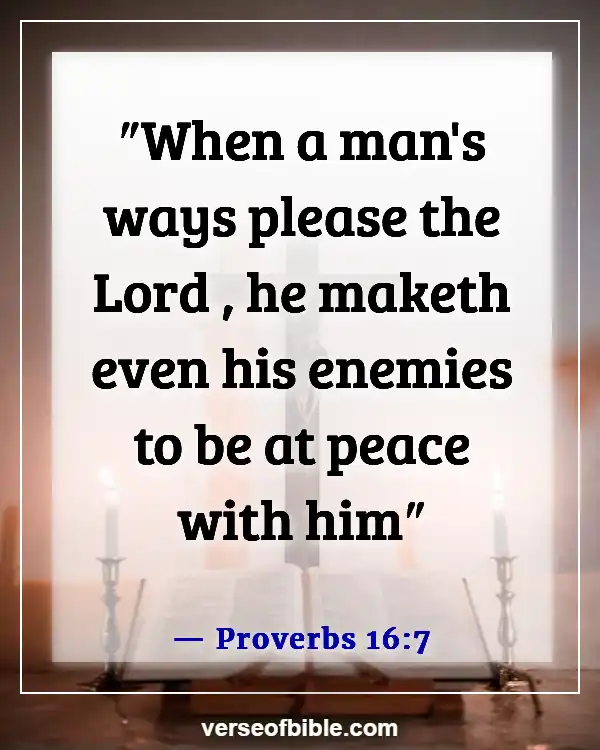
“When a man’s ways please the Lord , he maketh even his enemies to be at peace with him”— Proverbs 16:7

“He that covereth a transgression seeketh love; but he that repeateth a matter separateth very friends”— Proverbs 17:9

“The discretion of a man deferreth his anger; it is his glory to pass over a transgression”— Proverbs 19:11

“It is an honour for a man to cease from strife: but every fool will be meddling”— Proverbs 20:3
“If thine enemy be hungry, give him bread to eat; if he be thirsty, give him water to drinkFor thou shalt heap coals of fire upon his head, the Lord shall reward thee”— Proverbs 25:21-22

“He that covereth his sins shall not prosper: but whoso confesseth forsaketh them shall have mercy”— Proverbs 28:13

“Strive not with a man without cause, if he have done thee no harm”— Proverbs 3:30
“Recompense to no man evil for evil. Provide things honest in the sight of all menIf it be possible, as much as lieth in you, live peaceably with all men”— Romans 12:17-18
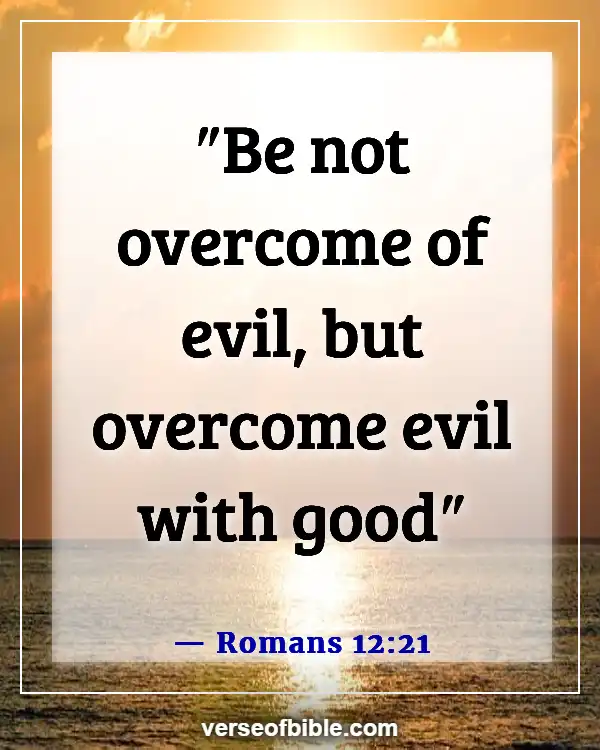
“Be not overcome of evil, but overcome evil with good”— Romans 12:21

“Owe no man any thing, but to love one another: for he that loveth another hath fulfilled the law”— Romans 13:8

“Let us therefore follow after the things which make for peace, things wherewith one may edify another”— Romans 14:19

“Now the God of patience consolation grant you to be likeminded one toward another according to Christ Jesus”— Romans 15:5

“Wherefore, my beloved brethren, let every man be swift to hear, slow to speak, slow to wrath”— James 1:19
“From whence come wars fightings among you? come they not hence, even of your lusts that war in your members?”— James 4:1
“Confess your faults one to another, pray one for another, that ye may be healed. The effectual fervent prayer of a righteous man availeth much”— James 5:16

“Forbearing one another, forgiving one another, if any man have a quarrel against any: even as Christ forgave you, so also do ye”— Colossians 3:13

“Let the peace of God rule in your hearts, to the which also ye are called in one body; be ye thankful”— Colossians 3:15

“Take heed to yourselves: If thy brother trespass against thee, rebuke him; if he repent, forgive him”— Luke 17:3
“Judge not, ye shall not be judged: condemn not, ye shall not be condemned: forgive, ye shall be forgiven”— Luke 6:37

“Let nothing be done through strife or vainglory; but in lowliness of mind let each esteem other better than themselves”— Philippians 2:3
“Brethren, if a man be overtaken in a fault, ye which are spiritual, restore such an one in the spirit of meekness; considering thyself, lest thou also be tempted”— Galatians 6:1
“Follow peace with all men, holiness, without which no man shall see the Lord”— Hebrews 12:14

“Let brotherly love continue”— Hebrews 13:1

“To speak evil of no man, to be no brawlers, but gentle, shewing all meekness unto all men”— Titus 3:2

“Depart from evil, do good; seek peace, pursue it”— Psalm 34:14

“When ye stand praying, forgive, if ye have ought against any: that your Father also which is in heaven may forgive you your trespasses”— Mark 11:25

“Thou shalt not avenge, nor bear any grudge against the children of thy people, but thou shalt love thy neighbour as thyself: I am the Lord”— Leviticus 19:18

“Come now, let us reason together, saith the Lord : though your sins be as scarlet, they shall be as white as snow; though they be red like crimson, they shall be as wool”— Isaiah 1:18

“Be not hasty in thy spirit to be angry: for anger resteth in the bosom of fools”— Ecclesiastes 7:9
Conclusion
From these Bible verses, we learn that conflict is a natural part of human relationships, but it’s how we handle it that matters. The Scriptures emphasize the importance of approaching conflicts with humility, patience, and a genuine desire for reconciliation. We are encouraged to seek understanding, practice forgiveness, and prioritize peace over being right.
To apply these teachings in our lives, we should strive to communicate openly and honestly, listen actively to others, and control our emotions during disagreements. It’s crucial to address issues promptly and directly, rather than allowing resentment to build. We must also be willing to examine our own faults and take responsibility for our actions.
By following these biblical principles, we can foster healthier relationships, create a more harmonious environment, and grow spiritually. Remember that conflict resolution is not about winning arguments, but about preserving relationships and honoring God through our actions and attitudes.