

Friends, if you’re seeking “Bible Verses About Loving Those Who Do You Wrong,” this content is for you. Today, we’ll explore scriptures that guide us in showing love to those who harm or mistreat us. These verses will help you better understand the biblical perspective on forgiveness, compassion, and responding to adversity with love. The Bible offers profound wisdom on how to handle difficult relationships and maintain a loving attitude even in challenging circumstances. Let’s dive into what God’s Word says about loving our enemies and those who wrong us.
Introductions
Dear brothers and sisters, today we’ll delve into the profound teaching of loving those who wrong us. This is a challenging yet crucial aspect of our Christian walk. The Bible provides us with wisdom on how to respond with love and forgiveness, even when others hurt us.
God asks us to love our enemies and pray for those who persecute us. It’s not an easy task, but it’s a fundamental principle of our faith. When we choose to love those who wrong us, we mirror God’s boundless love and grace. Remember, Christ died for us while we were still sinners, showing us the ultimate example of loving those who did Him wrong.
Loving our enemies doesn’t mean we condone their actions or allow ourselves to be mistreated. It means we choose to respond with kindness and compassion, instead of seeking revenge. We’re called to overcome evil with good, breaking the cycle of hatred and hurt.
Think about Joseph’s story in the Old Testament. His brothers sold him into slavery, yet he forgave them and even saved their lives during a famine. Joseph saw that God had used their wrongdoing for a greater purpose. In the same way, we can trust that God can bring good out of difficult situations when we choose to forgive.
Jesus taught us to turn the other cheek and go the extra mile. This isn’t about being weak, but about showing strength through love and forgiveness. When we respond to hatred with love, we open the door for healing and reconciliation.
Forgiving those who wrong us also frees us from the weight of bitterness and resentment. It allows us to experience God’s peace and joy more fully. Remember, forgiveness is a journey, and it may take time. Ask God for the strength to forgive, and He will help you.
As we work to love those who wrong us, we become more like Christ. We show the world the transforming power of God’s love. This love has the potential to change hearts and draw others to Him.
If you’ve found this message encouraging, please share it with others who might need support in this area. Let’s help each other as we try to live out this challenging but rewarding part of our faith.
Dear friends, now let’s look at the Bible verses below that speak about loving those who do you wrong.
Bible Verses About Loving Those Who Do You Wrong

“Then came Peter to him, said, Lord, how oft shall my brother sin against me, I forgive him? till seven times?Jesus saith unto him, I say not unto thee, Until seven times: but, Until seventy times seven”— Matthew 18:21-22

“The second is like unto it, Thou shalt love thy neighbour as thyself”— Matthew 22:39

“But I say unto you, That ye resist not evil: but whosoever shall smite thee on thy right cheek, turn to him the other also”— Matthew 5:39

“But I say unto you, Love your enemies, bless them that curse you, do good to them that hate you, pray for them which despitefully use you, persecute you”— Matthew 5:44

“For if ye forgive men their trespasses, your heavenly Father will also forgive you”— Matthew 6:14

“He answering said, Thou shalt love the Lord thy God with all thy heart, with all thy soul, with all thy strength, with all thy mind; thy neighbour as thyself”— Luke 10:27

“Then said Jesus, Father, forgive them; for they know not what they do. they parted his raiment, cast lots”— Luke 23:34

“But I say unto you which hear, Love your enemies, do good to them which hate you”— Luke 6:27

“But love ye your enemies, do good, lend, hoping for nothing again; your reward shall be great, ye shall be the children of the Highest: for he is kind unto the unthankful to the evil”— Luke 6:35

“Be kindly affectioned one to another with brotherly love; in honour preferring one another”— Romans 12:10

“Bless them which persecute you: bless, curse not”— Romans 12:14

“Recompense to no man evil for evil. Provide things honest in the sight of all men”— Romans 12:17
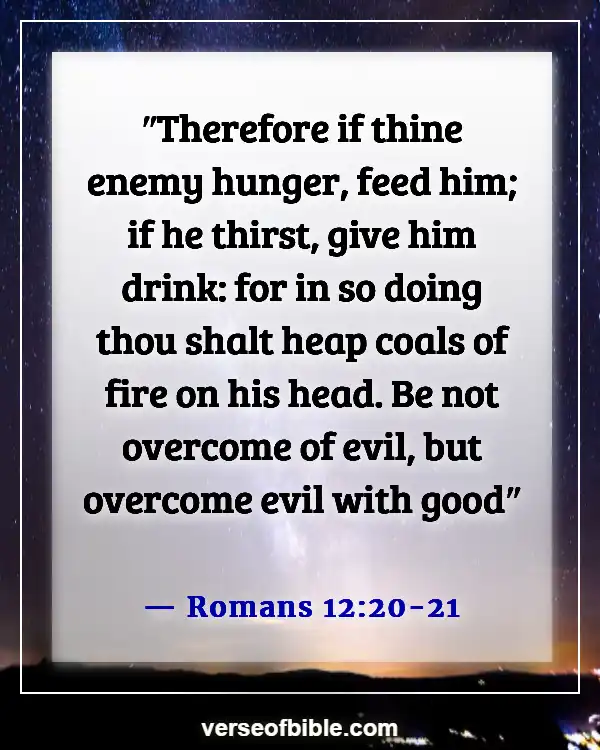
“Therefore if thine enemy hunger, feed him; if he thirst, give him drink: for in so doing thou shalt heap coals of fire on his headBe not overcome of evil, but overcome evil with good”— Romans 12:20-21
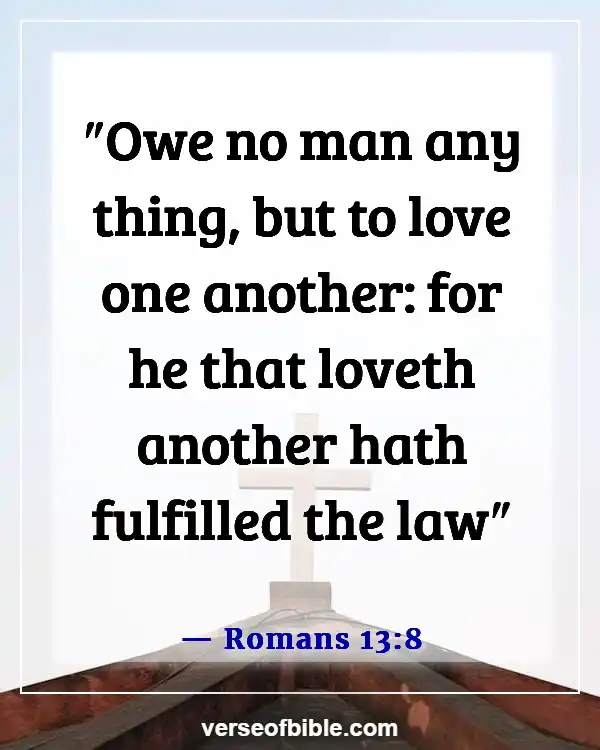
“Owe no man any thing, but to love one another: for he that loveth another hath fulfilled the law”— Romans 13:8

“Who shall separate us from the love of Christ? shall tribulation, or distress, or persecution, or famine, or nakedness, or peril, or sword?”— Romans 8:35

“Hatred stirreth up strifes: but love covereth all sins”— Proverbs 10:12

“He that covereth a transgression seeketh love; but he that repeateth a matter separateth very friends”— Proverbs 17:9

“If thine enemy be hungry, give him bread to eat; if he be thirsty, give him water to drink”— Proverbs 25:21

“Forbearing one another, forgiving one another, if any man have a quarrel against any: even as Christ forgave you, so also do yeAnd above all these things put on charity, which is the bond of perfectness”— Colossians 3:13-14

“That Christ may dwell in your hearts by faith; that ye, being rooted grounded in love”— Ephesians 3:17

“But speaking the truth in love, may grow up into him in all things, which is the head, even Christ”— Ephesians 4:15

“Be ye kind one to another, tenderhearted, forgiving one another, even as God for Christ’s sake hath forgiven you”— Ephesians 4:32

“Walk in love, as Christ also hath loved us, hath given himself for us an offering a sacrifice to God for a sweetsmelling savour”— Ephesians 5:2

“He kneeled down, cried with a loud voice, Lord, lay not this sin to their charge. when he had said this, he fell asleep”— Acts 7:60
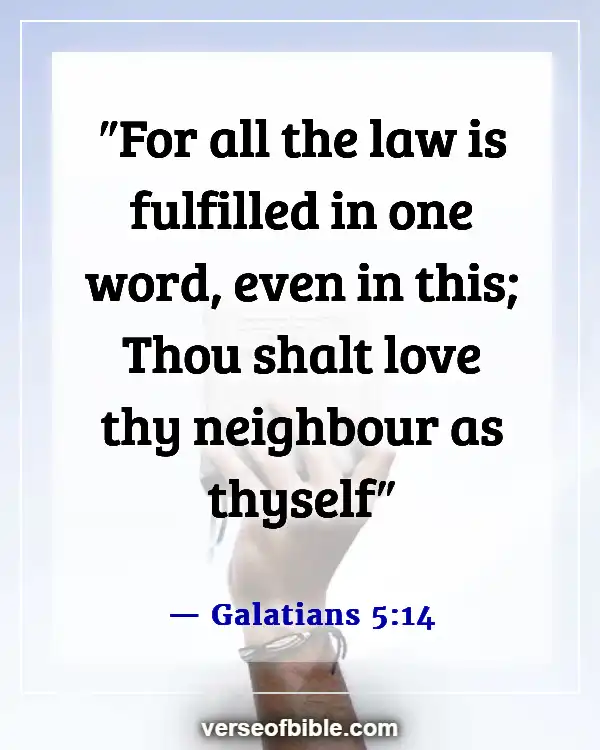
“For all the law is fulfilled in one word, even in this; Thou shalt love thy neighbour as thyself”— Galatians 5:14
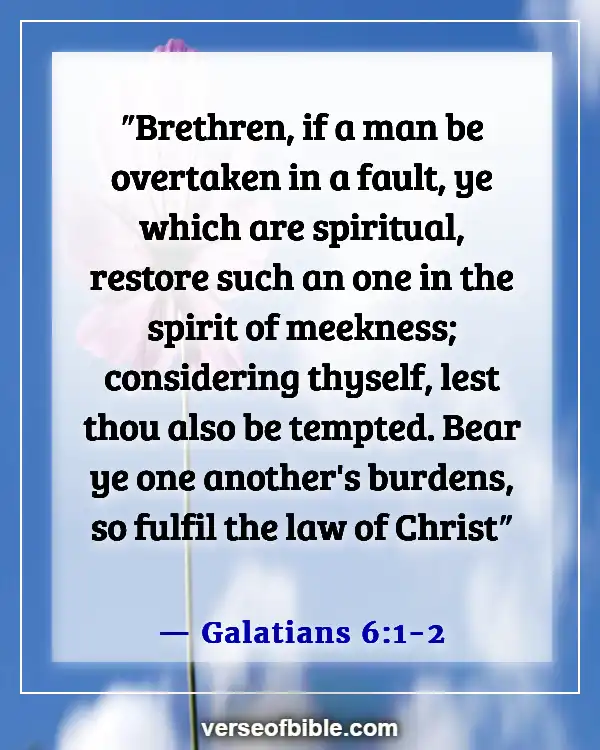
“Brethren, if a man be overtaken in a fault, ye which are spiritual, restore such an one in the spirit of meekness; considering thyself, lest thou also be temptedBear ye one another’s burdens, so fulfil the law of Christ”— Galatians 6:1-2

“Confess your faults one to another, pray one for another, that ye may be healed. The effectual fervent prayer of a righteous man availeth much”— James 5:16

“A new commandment I give unto you, That ye love one another; as I have loved you, that ye also love one another”— John 13:34

“If ye love me, keep my commandments”— John 14:15

“This is my commandment, That ye love one another, as I have loved you”— John 15:12
“These things I command you, that ye love one another”— John 15:17

“The second is like, namely this, Thou shalt love thy neighbour as thyself. There is none other commandment greater than these”— Mark 12:31

“Thou shalt not avenge, nor bear any grudge against the children of thy people, but thou shalt love thy neighbour as thyself: I am the Lord”— Leviticus 19:18

“Let nothing be done through strife or vainglory; but in lowliness of mind let each esteem other better than themselves”— Philippians 2:3

“Let us consider one another to provoke unto love to good works”— Hebrews 10:24

“Let brotherly love continue”— Hebrews 13:1
Conclusion
In conclusion, these Bible verses offer profound wisdom on how to respond to those who wrong us. They remind us that love, forgiveness, and compassion are at the core of Christian teachings, even in the face of adversity. By embracing these principles, we can break the cycle of hatred and retaliation, fostering a more peaceful and harmonious world.
Applying these teachings in our daily lives requires conscious effort and spiritual growth. We can start by practicing empathy, seeking to understand others’ perspectives, and recognizing our own flaws. When faced with hostility, we can choose to respond with kindness and prayer rather than anger. Forgiving others, even when it’s difficult, can bring healing and freedom to our own hearts.
By embodying these values, we not only honor God’s teachings but also become agents of positive change in our communities. This approach can lead to personal growth, stronger relationships, and a more fulfilling spiritual journey.